The strongest type of braided rope is typically a 12-strand single-braid made from high-modulus fibers like Dyneema (UHMWPE). Pound-for-pound, Dyneema braid delivers exceptional tensile strength, very low stretch, and high fatigue resistance, which is why it’s widely used for demanding marine and industrial applications where maximum strength matters in a compact diameter.
That said, “strongest” can depend on what kind of strength is needed. For pure breaking strength and minimal elongation, Dyneema single-braid usually leads. For better heat resistance and cut tolerance in abrasive environments, aramid fibers (like Kevlar) can be compelling, though they’re more sensitive to UV and flex fatigue in certain builds. If the rope will see frequent knotting, many ultra-strong slick fibers lose more strength at the knot than traditional ropes, making the “strongest” choice less straightforward in real-world use.
Braid style plays a big role. Single-braid (often 12-strand) is light, very strong, and easy to splice, making it a top pick when strength-to-weight is the priority. Double-braid adds a protective cover over a braided core, improving handling and abrasion resistance, but the core-and-cover system can slightly change how load is shared. Hollow braids can be extremely strong and splice-friendly, while tighter, denser braids may resist snagging and abrasion better depending on the fiber.
If the rope will rub on hardware or edges, abrasion resistance can matter as much as breaking strength. A double-braid polyester may outlast a higher-strength fiber in gritty, high-wear scenarios. Also consider UV exposure, water absorption, and heat from friction—each can reduce service life even if the rope’s rated strength is impressive.
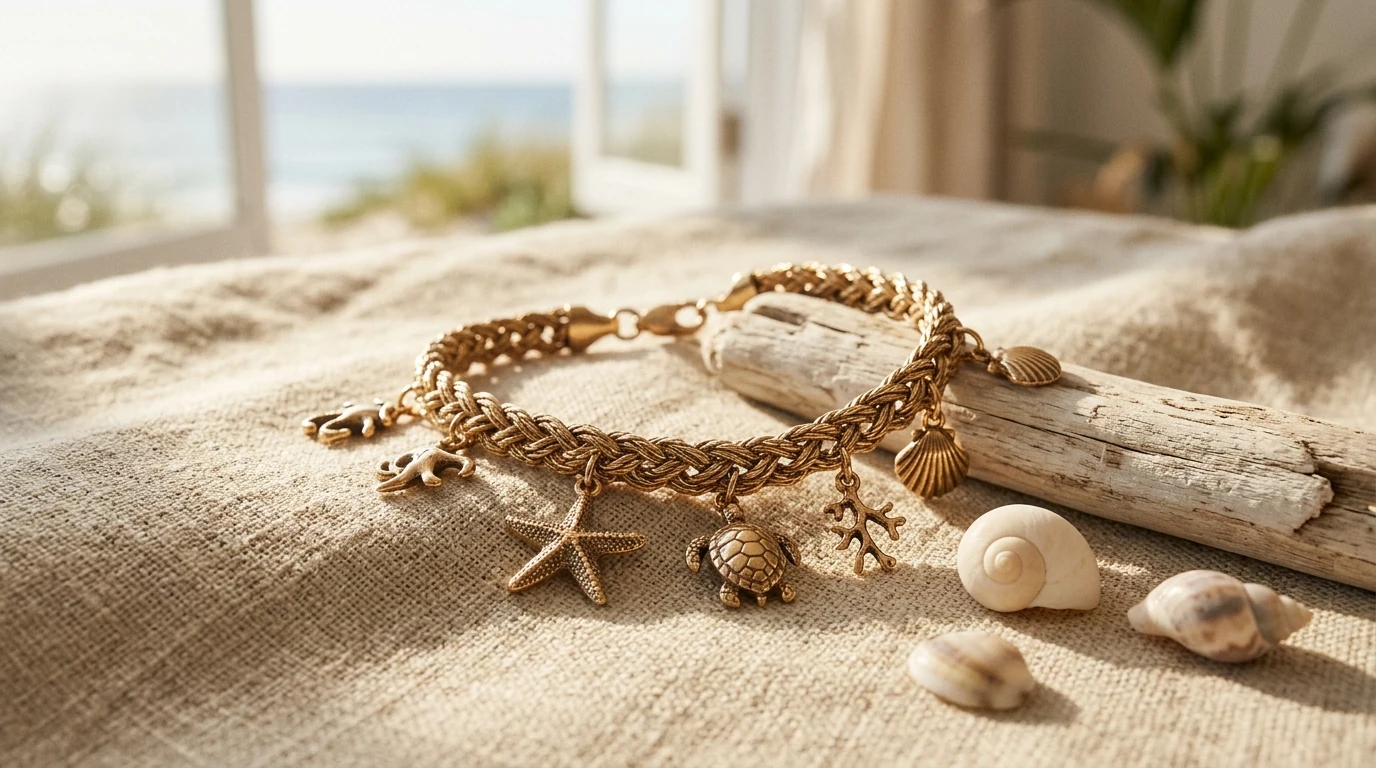
For a style-focused look at braided rope jewelry and chain-inspired details, see the guide here: https://besteria.pro/guide-retro-rope-chain-bracelet-starfish-sea-charms/.
Braided rope is made by interweaving strands, which usually improves flexibility and reduces kinking. Twisted rope is made by twisting strands together, which can be economical but tends to untwist and kink more under load.






Leave a comment