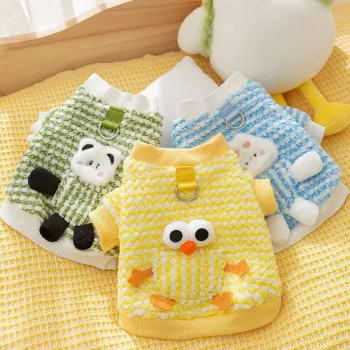
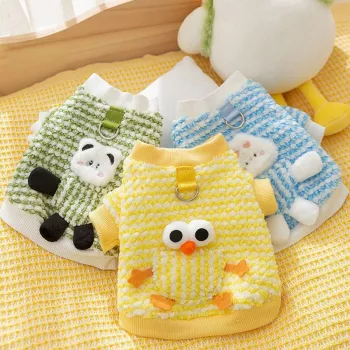
Cold days can turn walks, potty breaks, and even indoor lounging into a shivery experience—especially for small pets, short-haired breeds, seniors, and pets with low body fat. A soft, insulating jacket helps retain body heat while keeping movement easy. The pineapple-themed velvet jacket is designed to feel cozy against the coat, add a bit of fun to winter routines, and support everyday wear from quick trips outside to relaxed time at home.
For cold-weather safety reminders (like limiting exposure and watching for signs of hypothermia), guidance from sources such as the American Veterinary Medical Association and the ASPCA can help you build a smarter winter routine.
If your pet tends to freeze on short outings, a light-but-warm layer can be the difference between a quick, stress-free potty break and a rushed return indoors. The goal is simple: keep the core warm while letting the shoulders and legs move naturally.
Many pets tolerate cold differently depending on size, coat type, age, and health. A jacket is especially handy for short “in-and-out” routines where the body doesn’t have time to warm up through movement alone.
Fit matters as much as warmth. A jacket that’s too tight can rub the armpits, restrict breathing, or creep up toward the throat. A jacket that’s too loose can twist, snag, or leave the chest exposed to wind.
| Measurement | How to Measure | Comfort Check |
|---|---|---|
| Neck | Tape around the neck where the collar rests | Two-finger space; no rubbing at the throat |
| Chest (Girth) | Tape around the widest part of the ribcage | No squeezing; easy inhale/exhale |
| Back Length | Base of neck to base of tail | Covers back without blocking tail movement |
| Leg/Shoulder Clearance | Observe while walking and sitting | No chafing at armpits; steps feel natural |
For pets that get restless when it’s too cold outside, quick indoor enrichment can help burn energy without exposing them to harsh temperatures. An interactive motion-activated dog ball for indoor play can be a simple way to keep small dogs engaged between shorter winter walks.
Small pets, short-haired breeds, seniors, and pets with low body fat often benefit most—especially if they shiver, hesitate to walk, or seem stiff in cold air. Thick-coated breeds may only need an extra layer in extreme cold, so monitor comfort and watch for overheating. For pets with health concerns, a vet can recommend the safest approach.
Prioritize chest girth first; choose the size that fits the chest comfortably, then confirm neck and back length aren’t restrictive. Avoid tightness at the throat and armpits, and do a short trial walk to ensure full shoulder movement. If the jacket shifts or rides up, adjust the size or fit.
It’s best for dry cold; if the fabric gets damp, remove it and dry your pet promptly to prevent chilling. For wet conditions, layer it under a waterproof shell and keep a spare dry layer available. After snowy outings, swap to something dry once you’re back inside.





Leave a comment