HomeBlogBlogJapanese-Style Ceramic Spice Jars with Tray + Spoons

Japanese-Style Ceramic Spice Jars with Tray + Spoons

Japanese-Style Ceramic Spice Jars with Tray + Spoons

Ceramic Spice Jar Set with Tray and Spoons – Japanese-Style Kitchen Storage for a Calm Countertop

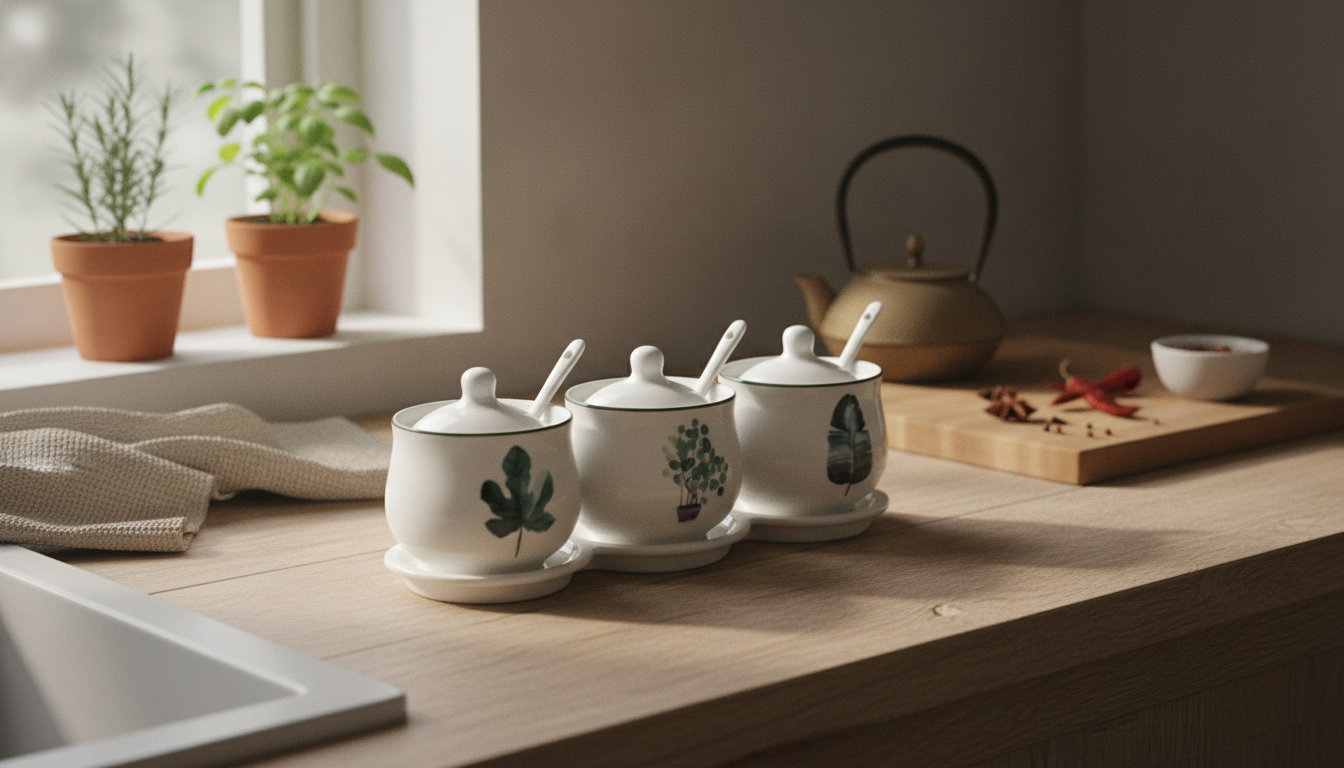
A ceramic spice jar set with a tray and matching spoons keeps everyday seasonings tidy, easy to reach, and visually cohesive. With a Japanese-inspired look, it suits minimalist kitchens while improving dosing accuracy and reducing clutter around the stove. Instead of a mix of mismatched shakers and half-open bags, everything sits in one organized “station” that’s ready whenever you cook.

Why a tray-and-spoon spice set changes everyday cooking

The biggest upgrade isn’t just the jars—it’s the system. A tray-and-spoon setup creates a dedicated home for the seasonings you use most, so the counter stays calmer even when dinner gets hectic.

  • Keeps frequently used spices grouped together, reducing scattered containers near the cooktop.
  • A built-in “home” for each jar makes it easier to reset the counter quickly after cooking.
  • Included spoons support repeatable seasoning and cleaner pinches compared with dipping fingers.
  • Ceramic pairs naturally with warm materials often used in Japanese-style interiors (wood, bamboo, stone).
  • Great for staples used daily: salt, sugar, pepper, chili flakes, sesame, furikake, curry powder, garlic, or ginger.

That last point matters more than it sounds: when your “daily drivers” live together, you’re less likely to over-season, spill powders, or forget to close a lid fully while moving quickly.

What to look for in a ceramic spice jar set

Ceramic spice jars can be beautifully simple, but the small details determine whether they stay practical week after week.

  • Lids: Prefer snug-fitting lids to slow aroma loss and keep humidity out, especially for salt and sugar.
  • Spoon rest: A dedicated slot or place on the tray helps keep handles off the counter and reduces mess.
  • Jar opening size: Wider openings make scooping easy; narrower openings can limit moisture exposure.
  • Tray footprint: Choose a tray that fits where spices are used most—by the stove, prep area, or coffee/tea station.
  • Cleaning: Smooth, glazed ceramic is typically easier to wipe clean and resists lingering odors.

If freshness is a priority, it’s also worth adopting simple storage habits recommended by trusted sources. McCormick emphasizes keeping spices away from heat, moisture, and direct light to help preserve flavor over time. You can review their guidance here: McCormick – How to store spices for freshness. For broader food storage references, the USDA-supported FoodKeeper resource is also helpful: USDA FoodKeeper App.

Ceramic vs glass vs stainless: quick comparison

Material affects how spices look on your counter, how easily you can check levels, and how well they’re protected from light. For many kitchens, the best choice is the one you’ll actually keep organized every day.

  • Ceramic offers a soft, matte or glossy look and can help block light exposure for certain spices.
  • Glass makes contents visible at a glance but exposes spices to light unless stored in a cabinet.
  • Stainless is durable and light-blocking, but contents are hidden unless labeled clearly.
  • For countertop use, a matching tray and spoon set often matters as much as jar material for daily neatness.

Spice jar materials at a glance

Material Best for Potential drawbacks
Ceramic Countertop organization, cohesive decor, light reduction Contents not always visible; can chip if dropped
Glass Quick inventory checks, pantry storage with labels Light exposure; can break; fingerprints show
Stainless steel Durability, light blocking, busy kitchens Contents hidden; may need more labeling

Using the set on a Japanese-style kitchen counter

A Japanese-inspired counter usually looks intentional, not crowded. The trick is to keep only what you use daily in sight, and make it visually consistent.

  • Keep the tray near the prep zone rather than directly next to high steam sources to reduce moisture exposure.
  • Group by use: everyday (salt/sugar), heat (chili/shichimi), aromatics (garlic/onion), finishing (sesame/furikake).
  • Add small labels on jar bottoms or tray edges to preserve a clean front-facing look.
  • Pair with a wooden cutting board or bamboo utensil holder for a cohesive, calm countertop aesthetic.
  • Refill in smaller batches to keep spices fresher—especially delicate powders like paprika, matcha, or curry blends.

If you cook with moisture-prone staples (salt, brown sugar, garlic powder), placing the tray a little farther from the stovetop can noticeably reduce clumping—without sacrificing convenience.

Care tips to keep ceramics looking new

Ceramic is easy to live with, but a few habits will keep the tray and lids looking crisp—especially if you use fine powders that like to travel.

  • Wipe the tray regularly to prevent fine powders from scratching glossy surfaces over time.
  • Keep spoons dry; avoid placing wet spoons into jars to reduce clumping (especially salt and sugar).
  • Use a dry brush or soft cloth to remove spice dust from lid edges and grooves.
  • For strong aromas (garlic, curry), wash and fully dry jars before refilling to avoid scent transfer.
  • Avoid sudden temperature changes; let jars cool before rinsing if they were near heat.

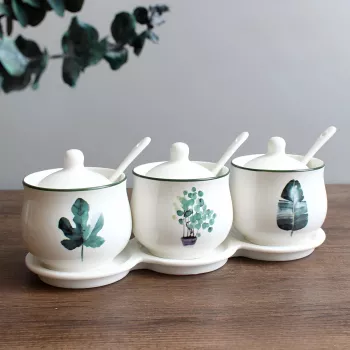
Product option: Ceramic Spice Jar Set with Tray and Spoons

For a coordinated countertop setup, the Ceramic Spice Jar Set with Tray and Spoons – Japanese Style Kitchen Storage is designed to keep jars aligned on a dedicated tray, with matching spoons for clean, consistent scooping. The Japanese-inspired styling helps reduce visual clutter around the stove while keeping your go-to seasonings within easy reach.

More in-stock picks

FAQ

What is the best jar for storing spices?

Choose a jar with a tight-fitting lid that limits air and moisture exchange; ceramic or other opaque containers can also reduce light exposure. A tray-based setup helps keep frequently used spices organized, easy to access, and less likely to be left open or misplaced.

Was this article helpful?

Yes No
Leave a comment
Top

Shopping cart

×