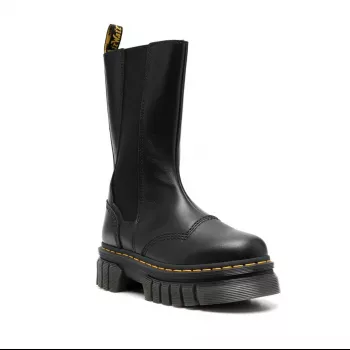
Leather shoes that can handle daily wear need strong construction, smart sizing, and simple upkeep. Dr. Martens women’s leather shoes are known for their durable uppers, signature welted look, and an edge that works with everything from denim to dresses. The right pair can feel like a reliable staple—structured enough to look sharp, tough enough for city sidewalks, and versatile enough to rotate through multiple outfits all week.
Dr. Martens leather shoes have a recognizable footprint: grounded, confident, and built to last when cared for well. They’re often chosen for their style, but the day-to-day payoff comes from how they hold up and how they wear in.
The best choice usually isn’t the “most popular” option—it’s the one that matches what you already wear and how you move through your day.
Use the table to quickly compare what’s currently available, then decide based on color and slip-on vs. lace-up preferences. If choosing between two, pick the pair that matches the majority of outfits already in rotation—your cost-per-wear will thank you.
| Product | Color/Style | Price | Availability |
|---|---|---|---|
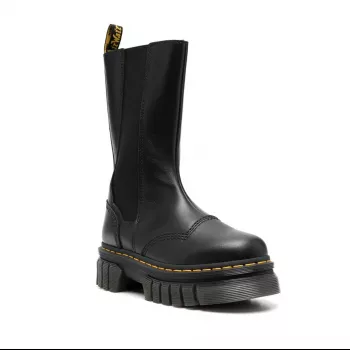
| Dr. Martens Women’s Black Leather Shoes | Black leather (classic everyday look) | 170.01 USD | In stock |
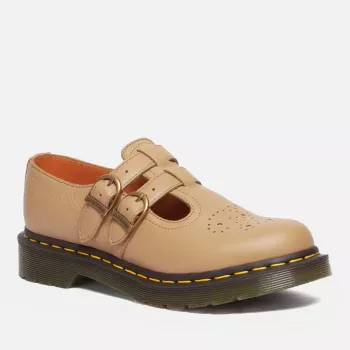
| Dr. Martens Women’s Beige Slip-On Shoes | Beige slip-on (easy on/off, lighter look) | 87.51 USD | In stock |
Comfort starts with fit. Leather will soften and mold, but it won’t magically fix a size that’s clearly too small or too long. Take a few minutes to check these basics before you commit to keeping a pair.
For general footwear comfort pointers—like how shoes should fit at the toe box and heel—helpful guidance is available from the American Podiatric Medical Association.
Many leather shoes feel stiff out of the box. A steady break-in plan is the difference between “these are tough” and “these are my favorites.”
Leather care doesn’t need a 10-step routine. A few simple habits go a long way toward preventing dryness, dullness, and premature cracking.
For brand-specific product recommendations and step-by-step routines, the Dr. Martens Shoe Care Guides are a practical reference. If you’re curious about broader responsible leather standards and supply-chain initiatives, the Leather Working Group is a widely recognized industry organization.
Leather typically softens and molds to your foot with wear, but stretching is limited, so starting with the right size matters. A gradual break-in, smart sock choice, and insoles can help fine-tune comfort without forcing the fit.
Wipe off moisture, salt, and grit with a slightly damp cloth, then let the shoes dry at room temperature away from direct heat. Once fully dry, condition lightly to restore suppleness, and reapply protector if you use it regularly.
Security depends on fit—especially heel hold and how snug the shoe feels over the instep. Lace-ups allow more adjustment, but slip-ons can feel stable and comfortable for walking when the fit is properly snug without pinching.





Leave a comment