Adjustable Waterproof Silicone Baby Bib: a cleaner way to handle meals and drool
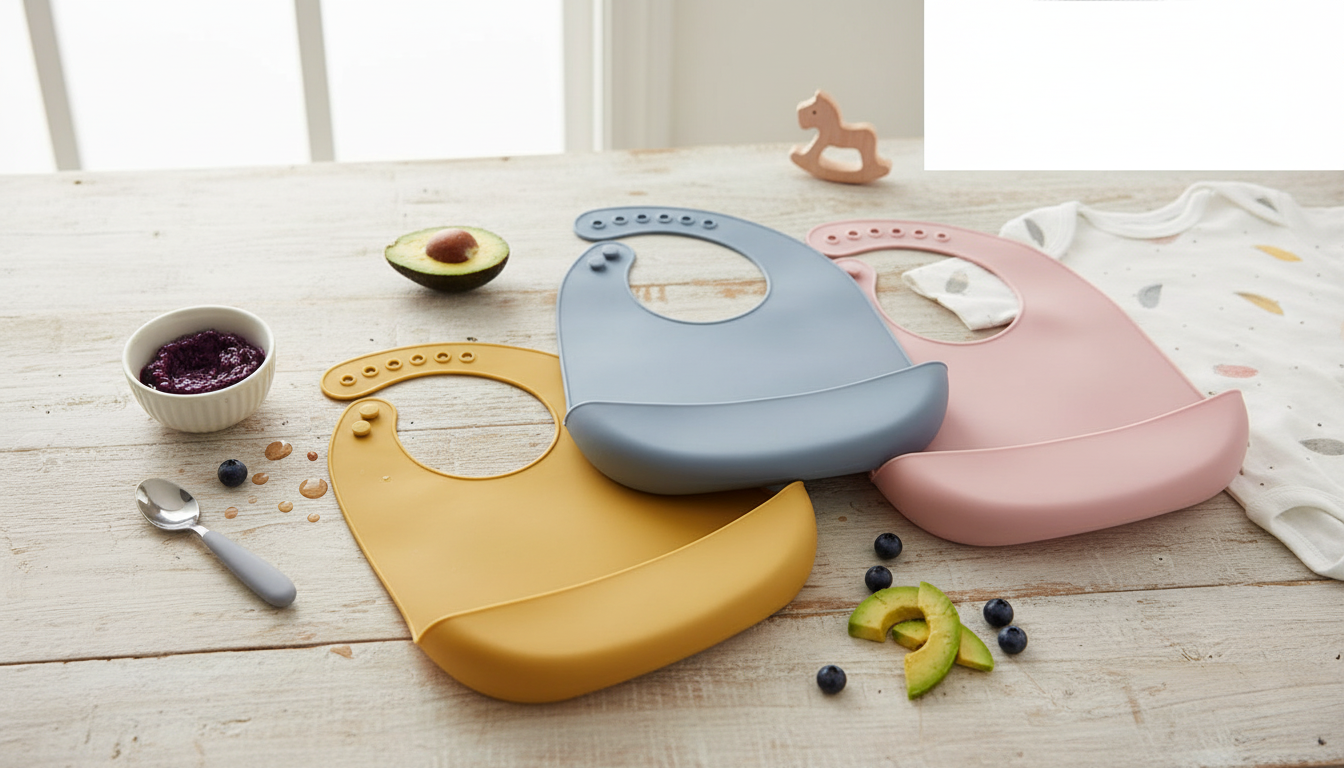
Mealtimes and teething phases can go from “a few bites” to full-on mess in minutes. A soft silicone bib with an adjustable neck and a catch-all pocket helps keep shirts drier, reduces outfit changes, and makes cleanup quicker—whether you’re serving purées, finger foods, or dealing with constant drool. Silicone also holds its shape better than many fabric bibs, so the bib stays put instead of bunching up under the chin.
When babies start solids, small portions often turn into big spills. Feeding resources from the American Academy of Pediatrics and the CDC reinforce how quickly routines change as textures and self-feeding skills develop—so having a bib that’s easy to rinse and reuse can simplify daily life.
What makes a silicone bib practical for daily feeding
- Waterproof coverage: A silicone barrier helps stop milk, water, soups, and purées from soaking through to clothing.
- Soft, flexible feel: Silicone tends to sit more comfortably against the neck and chest than stiff plastic styles, with less bunching than many fabrics.
- Built-in pocket: A catch pocket helps trap crumbs and drips before they reach the lap, high chair straps, or floor.
- Adjustable neck closure: Multiple settings support a better fit as babies grow, helping reduce gaps where food slips down the collar.
- Fast cleanup: Instead of rotating several cloth bibs, silicone can usually be wiped, rinsed, or washed right after a meal.
Key features to check before buying
- Material safety: Many parents prefer BPA-free silicone for food contact items. Check product details and packaging for the specific claim and care instructions. For background on BPA in food contact applications, see the U.S. Food & Drug Administration (FDA).
- Neck adjustability: Look for several size settings so the bib can sit close enough to block drips without feeling tight.
- Pocket depth and shape: A wider, open pocket tends to catch more food. A pocket that stays open (instead of collapsing inward) is easier for everyday use.
- Weight and flexibility: Too heavy can tug on the neck; too rigid can poke the chest when a baby leans forward in a high chair.
- Edge design: Smooth edges help reduce rubbing—especially during longer meals or drool-heavy teething periods.
Silicone bib vs. common alternatives
| Type |
Best for |
Trade-offs |
| Silicone (waterproof, pocket) |
Purées, finger foods, high-mess meals, drool protection |
May trap heat; can hold odors if not cleaned and dried well |
| Cotton/terry cloth |
Light drool, quick dab during teething |
Soaks through; frequent laundry; stains easily |
| Disposable bibs |
Travel and emergencies |
Ongoing cost and waste; fit can be inconsistent |
| Sleeved smock bib |
Full outfit coverage for messy eaters |
More bulk; longer drying time; can be warm |
Fit and comfort: getting the adjustable neck right
- Secure-but-comfortable: The bib should sit flat on the upper chest without pressing into the neck.
- Use a two-finger guideline: Aim to fit two fingers between the collar area and your baby’s neck. If there’s frequent tugging or visible irritation, loosen the setting.
- Set the pocket correctly: Position the pocket so it opens upward. If it folds inward, reshape it gently with clean hands before serving food.
- Start loose for smaller babies: Begin at the loosest setting and tighten only if food regularly slips down the neckline.
- Teething comfort tip: Wipe drool under the neck area between meals and after bib removal to reduce moisture irritation.
Cleaning, deodorizing, and stain prevention
- Rinse soon after use: A quick rinse prevents residue from drying inside pocket corners and strap creases.
- Warm water + dish soap: Light scrubbing around strap holes and the pocket seam helps remove trapped food oils.
- Dishwasher when permitted: Many silicone bibs can go on the top rack, but directions vary by item—confirm what’s listed for the specific bib. After washing, make sure it dries completely.
- Odor control: An occasional soak in a baking-soda solution can help reduce lingering smells from strong foods (like garlic, onions, or curry).
- Stain strategy: Tomato-based sauces and certain spices can discolor silicone. Quick rinsing and sun-drying may lessen staining over time.
Safe use tips during feeding and teething
- Supervised use only: Use the bib during feeding, then remove it afterward. Do not leave bibs on for sleep.
- Inspect the closure: Check the strap and adjustment holes for tearing, stretching, or deformation, and replace if damage appears.
- Reduce moisture buildup: If redness shows up, try loosening the neck setting, keeping skin dry, and wiping under the bib after meals.
- Avoid harsh cleaners: Strong chemicals can leave residue. Stick with mild soap and thorough rinsing.
- Let it dry fully: If you rotate bibs, allowing each one to fully dry between uses can help prevent odor and surface tackiness.
Product details at a glance
For a simple, everyday option designed to handle both feeding spills and drool, the Adjustable waterproof silicone baby bib is a budget-friendly pick to keep at home, pack for travel, or send as a daycare backup.
More in-stock picks
FAQ
What are the drawbacks of using a silicone bib?
Silicone bibs can feel warm at the neck during longer meals, may hold odors if they aren’t washed and dried thoroughly, and can discolor with strongly pigmented foods. If your baby dislikes the feel or weight, loosening the fit, drying fully between uses, and occasional deodorizing soaks can help.
Recommended for you



Leave a comment