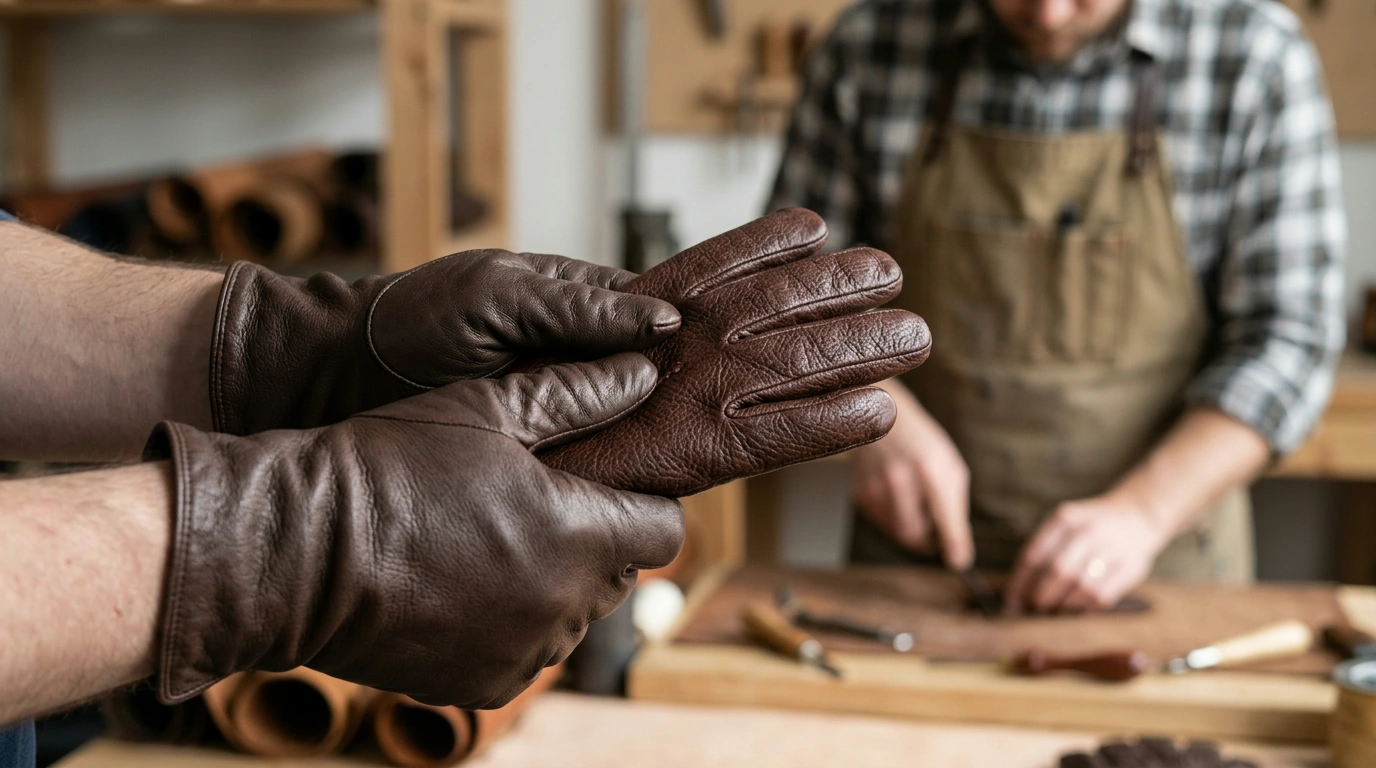
The softest leather is typically lambskin (also called nappa when it’s chrome-tanned and finished to feel extra supple). Lambskin has a fine grain, thin fibers, and a naturally buttery hand feel, so it drapes easily and feels smooth right away—often with little to no break-in time.
Lambskin’s softness comes from its smaller pore structure and delicate fiber network. Compared with sturdier hides, it compresses and flexes with less resistance, which creates that “pillow-soft” feel many people notice the moment they touch it.
If lambskin isn’t practical for your needs, several other leathers can feel impressively soft depending on the tannage and finishing:
Calfskin: Often softer than standard cowhide, with a smooth grain and a refined feel—great when you want softness plus a bit more durability.
Deerskin: Naturally pliable and “broken-in” feeling, with excellent flexibility; it’s known for comfort and a velvety hand.
Goatskin: Frequently soft yet resilient; the pebbled grain can help disguise scuffs while staying flexible.
Chrome-tanned cowhide: Many everyday bags use chrome tanning for a softer, more flexible result than stiff vegetable-tanned leather.
Ultra-soft leathers can be more prone to scratches, stretching, and color transfer compared with firmer, thicker hides. If you’re shopping for a backpack or daily bag that needs to handle commuting, travel, or school, it can help to balance softness with structure and abrasion resistance.
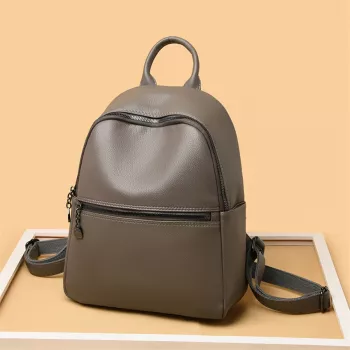
For a deeper look at how softness, grain, lining, and construction affect comfort and longevity in women’s backpacks, visit this guide to soft leather backpacks.
For Softest Leather Types: Lambskin vs Calf, Deer & More, the best answer depends on fit, material, care instructions, and how the product will be used day to day.
No. Full-grain describes the surface quality, not the feel. Full-grain can be soft if it’s chrome-tanned or heavily conditioned, but it can also start firm when it’s thicker or vegetable-tanned.



Leave a comment