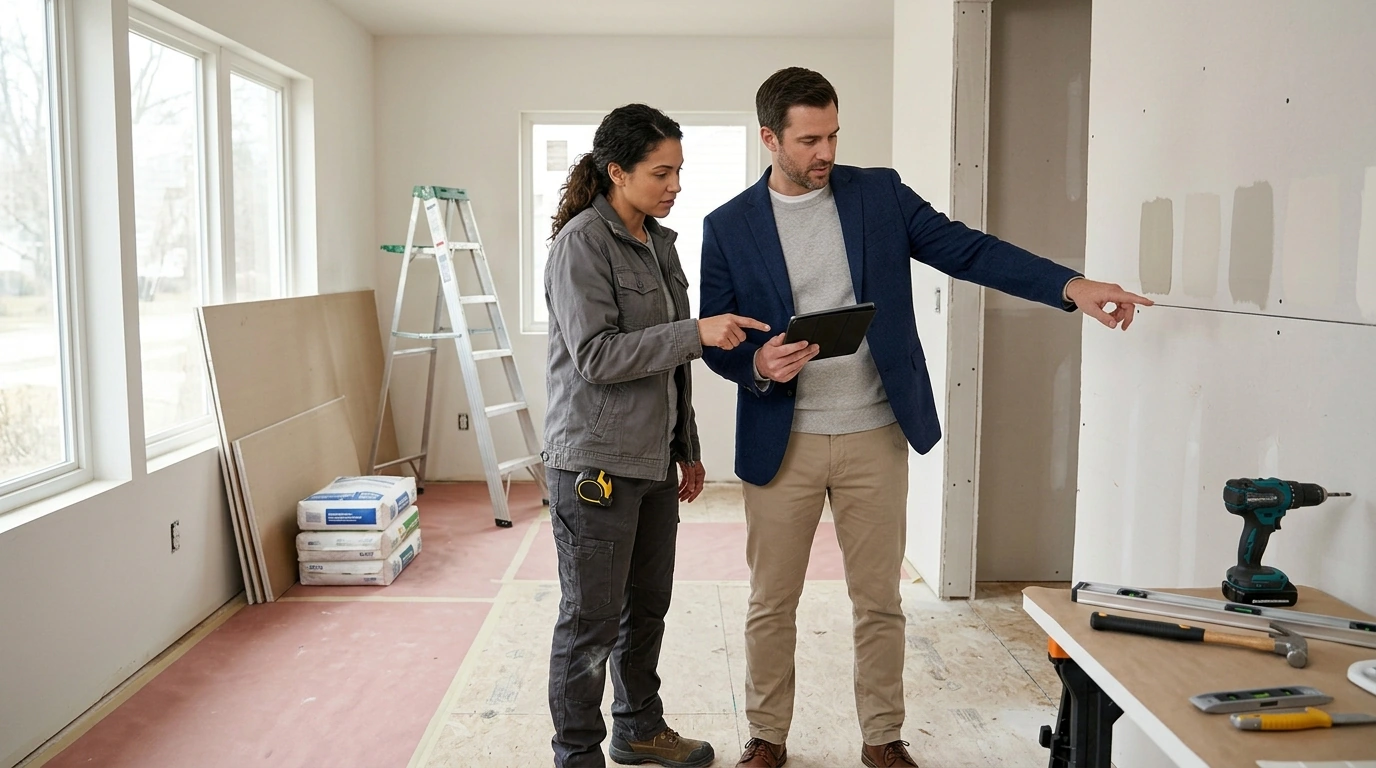
A strong fix and flip action checklist should cover the full rehab lifecycle—from acquisition through resale—so nothing critical slips between contractors, permits, inspections, and marketing. The best checklists are organized by phase, clearly assign ownership, and include “gate” decisions (what must be completed before moving forward).
Start with the fundamentals: property details, ARV assumptions, scope notes from the walkthrough, photos, and a preliminary budget with contingency. Include financing terms, holding-cost estimates, and a timeline target. If a step impacts your go/no-go decision (like foundation concerns or comps changing), put it here with a clear trigger to reassess.
List every task by trade (demo, framing, plumbing, electrical, HVAC, roofing, windows, drywall, paint, flooring, cabinets, countertops, landscaping, cleaning). For each item, include material selections, quantities, and quality standards (e.g., paint sheen, flooring type, fixture finish). Add a change-order process so upgrades and surprises are documented, priced, and approved before work begins.
Include permit requirements, application dates, and inspection checkpoints (rough-in, insulation, final). Add utility coordination (power, water, gas) and safety items like lead/asbestos procedures when applicable. Missing a single inspection can delay closing, so make inspection scheduling a dedicated line item—not an afterthought.
Build in a communication cadence: weekly site walk, progress photos, punch-list updates, and payment milestones tied to completed work (not calendar dates). Track deliveries, backorders, and long-lead items (windows, cabinets, appliances) to prevent downtime.
Include cleaning, staging decisions, professional photos, lockbox setup, disclosures, warranty documents (if offered), and a pre-list inspection strategy. Add a closing checklist: repairs requested by buyer, appraisal access, final walkthrough preparation, and utilities transfer.
For a detailed, ready-to-use structure that speeds rehabs and reduces missed steps, review the full guide here: fix and flip action checklist.
Set phase deadlines, schedule inspections early, and track long-lead materials before demo begins. Hold a weekly walkthrough with an updated punch list and tie payments to completed milestones.






Leave a comment