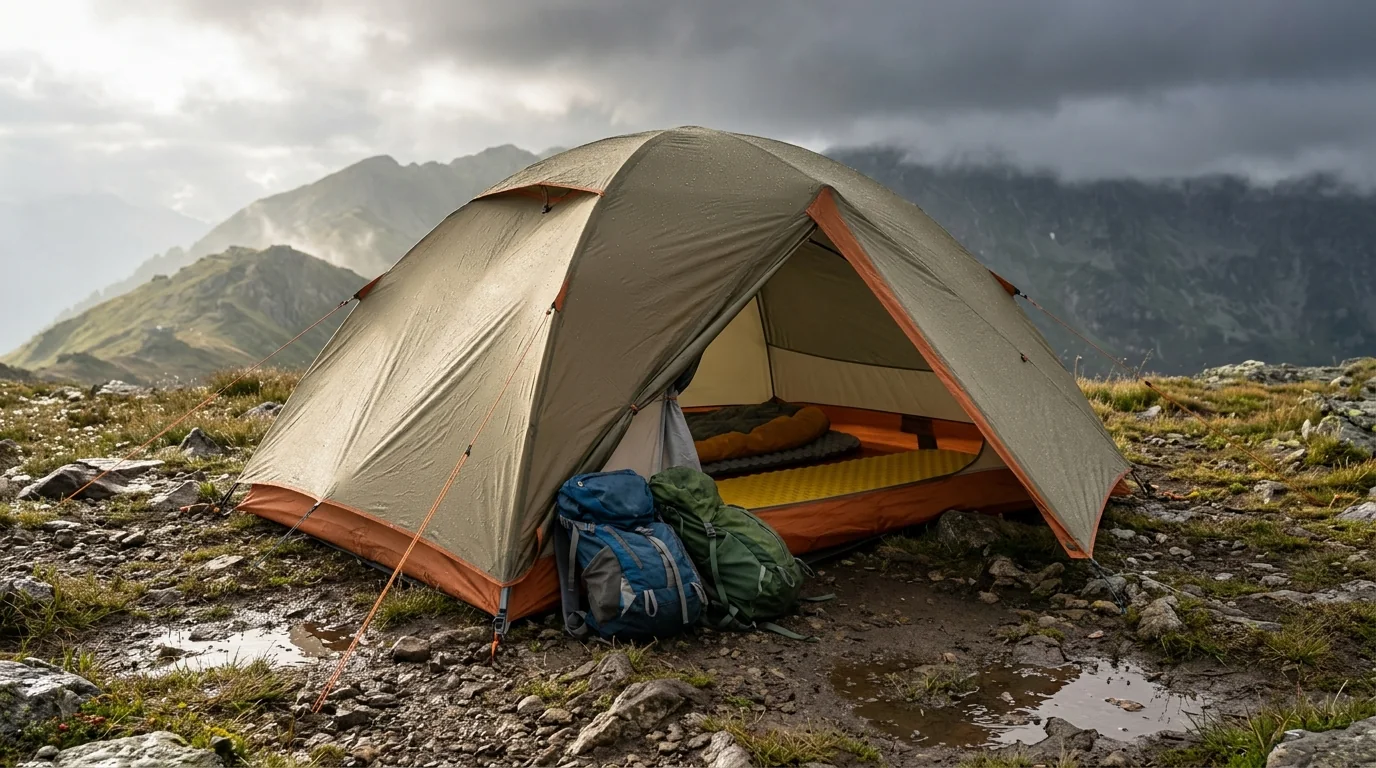
A dependable backcountry tent balances low carry weight with storm-worthy protection and livable comfort. This double-layer, 2-person, 4-season hiking tent is positioned for trekkers who want a compact setup that can handle wet weather, shifting winds, and colder shoulder-season nights while still packing down for longer routes.
This shelter is made for hikers who plan routes where conditions change quickly and the penalty for extra pounds adds up fast. It’s designed for backpacking and trekking where pack weight matters, but weather protection can’t be compromised.
For trip planning, it helps to check forecasts early and often. NOAA’s safety guidance is a solid baseline for making conservative calls when storm systems or temperature swings are in play: https://www.weather.gov/safety/.
| Item to verify | Why it matters on trail |
|---|---|
| Packed weight | Impacts comfort over long mileage and steep climbs |
| Packed size | Determines how easily it fits inside or straps to the pack |
| Waterproof rating / materials | Affects rain resistance and long-term durability |
| Vestibule/entry layout | Controls gear storage and rain-friendly entry/exit |
| Pole type and setup steps | Influences speed in bad weather and ease of field repairs |
All-weather performance comes down to pitch quality and smart site selection as much as materials. In sustained rain, look for a full-coverage fly, sealed seams, and a taut setup that prevents sagging and pooling. If the fly is loose, water can collect and press fabric inward, increasing the odds of damp transfer.
For storm nights, prioritize sheltered sites, avoid depressions where water collects, and re-tension fly and guy points after the fabric settles. Planning ahead is part of responsible backcountry travel; Leave No Trace’s “Plan Ahead and Prepare” is a useful refresher before committing to remote routes: https://lnt.org/why/7-principles/plan-ahead-and-prepare/.
Condensation is normal when warm, moist air meets a cold surface. A double-layer build helps by separating the inner canopy from the rain fly, so moisture is less likely to drip directly onto sleepers. That said, airflow is still the main tool for managing interior dampness.
When the weather turns, setup speed becomes a comfort and safety feature. Practicing at home pays off when your hands are cold, daylight is fading, or rain is heavy. A compact footprint also helps when tent pads are small, campsites are crowded, or the only flat spot is tucked between rocks.
For longer-term performance, basic maintenance goes a long way. REI’s tent care overview is a helpful reference for cleaning, drying, and storage habits that protect coatings and seam tape: https://www.rei.com/learn/expert-advice/tent-care.html.
No—condensation can still form, especially on cold, calm nights. The inner layer helps keep moisture from dripping onto sleepers, but ventilation, smart campsite selection, and keeping wet items outside the canopy area are still essential.
Yes, but it may feel warmer than a breezier 3-season design. Maximize venting, choose shaded or airy sites, and remember that true 4-season builds often prioritize wind stability over maximum airflow.
Re-tension guylines, reset stake angles, and adjust pitch height so the fly stays taut with no sagging panels. If pooling persists, move to better-draining ground when possible and consider using a footprint to reduce issues from saturated soil.






Leave a comment